


Mastering Startup Product Design for Market Success
- Mauricio Lastres
- Nov 24, 2025
- 3 min read

Bringing a new product to market is a thrilling challenge. I’ve learned that success hinges on mastering startup design strategies that turn ideas into tangible, manufacturable products. Whether you’re a first-time inventor, a startup founder, or an Etsy seller, the path from concept to market-ready product demands clarity, speed, and precision. I’ll share practical insights and actionable steps to help you navigate this journey confidently.
Understanding the Core of Startup Design Strategies
The foundation of any successful product lies in its design. But design is more than aesthetics. It’s about solving real problems efficiently and creating value for users. I focus on these key principles:
User-Centered Approach: Start by understanding your target user’s needs and pain points. Conduct interviews, surveys, or simple observations. This insight shapes your product’s features and usability.
Simplicity and Functionality: Avoid overcomplicating. A simple, functional design often wins over flashy but confusing products.
Iterative Development: Design is never perfect on the first try. Build prototypes, test, gather feedback, and refine. This cycle reduces costly mistakes later.
For example, when designing a mechanical gadget, I prioritize ease of assembly and maintenance. This approach not only improves user satisfaction but also lowers manufacturing costs.

Applying Startup Design Strategies to Accelerate Development
Speed is critical in startups. The faster you move from idea to prototype, the better your chances of capturing market interest. Here’s how I apply startup design strategies to accelerate development:
Define Clear Objectives: Set specific goals for each design phase. Know what you want to achieve before starting.
Leverage CAD Tools: Use computer-aided design software to create precise models. This helps visualize the product and identify potential issues early.
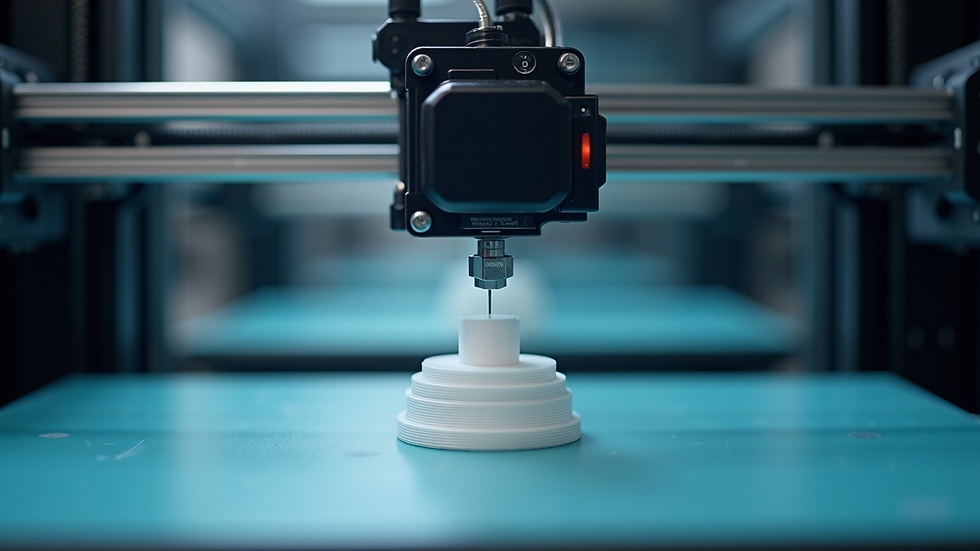
Rapid Prototyping: Utilize 3D printing or CNC machining to produce quick prototypes. This hands-on approach reveals design flaws and usability problems.
Collaborate with Experts: Partner with experienced engineers and designers who understand manufacturing constraints and can suggest practical improvements.
By following these steps, I’ve helped startups reduce their product development cycle by up to 50%. This efficiency is crucial when competing in fast-moving markets.
Crafting a Manufacturable Product
Designing a product that looks good on paper is one thing. Making it manufacturable at scale is another. I always keep manufacturing in mind from day one. Here’s what I focus on:
Material Selection: Choose materials that balance cost, durability, and availability.
Design for Assembly (DFA): Simplify the number of parts and assembly steps. This reduces production time and errors.
Tolerance and Fit: Specify realistic tolerances to ensure parts fit together without excessive rework.
Supplier Input: Engage with manufacturers early to understand their capabilities and limitations.
For instance, when working on a consumer electronics enclosure, I selected injection-moldable plastics and designed snap-fit joints. This choice eliminated screws and sped up assembly.
Integrating User Feedback into Design
No product is perfect without real user input. I make it a priority to integrate feedback throughout the design process. Here’s how I do it effectively:
Early User Testing: Share prototypes with a small group of target users. Observe how they interact with the product.
Collect Specific Feedback: Ask focused questions about usability, comfort, and functionality.
Analyze and Prioritize: Not all feedback is equal. Prioritize changes that improve core functions or fix critical issues.
Iterate Quickly: Implement changes and test again. This loop ensures the product evolves in line with user expectations.
This approach helped me refine a kitchen gadget that initially had awkward grips. After user feedback, redesigning the handle improved comfort and sales.
Leveraging Startup Product Design Expertise
Partnering with experts can transform your product journey. I recommend working with firms specializing in startup product design. They bring:
Technical Know-How: Deep understanding of engineering, materials, and manufacturing.
Process Efficiency: Streamlined workflows that save time and money.
Market Insight: Experience with similar products and industries.
Scalability Planning: Guidance on moving from prototype to mass production.
Their support lets you focus on innovation while they handle the technical complexities. This partnership is a game-changer for startups aiming to launch quickly and confidently.
Moving Beyond Design to Market Success
Design is just the start. To succeed, you must also consider:
Branding and Packaging: Create a compelling story and attractive packaging that resonates with your audience.
Cost Management: Keep production costs in check to maintain healthy margins.
Regulatory Compliance: Ensure your product meets safety and industry standards.
Distribution Channels: Plan how you’ll get your product into customers’ hands efficiently.
I always advise startups to think holistically. A great product design paired with smart business strategies maximizes market impact.
Mastering startup design strategies is a continuous learning process. By focusing on user needs, rapid iteration, manufacturability, and expert collaboration, you can turn your ideas into successful products. Take control of your product’s future with confidence and clarity.


Comments